
By Bird Parry
If you ask most students what they know about Arcadia’s Faculty Senate, they’ll tell you they don’t know what that is. The Faculty Senate is the representation of the faculty voice, and they hold open meetings where they freely discuss interesting items that pertain to the student body. Yet, despite the clear relevance to the student life, the Faculty Senate does very little to actually encourage student participation in their process, and students seem content to let it happen. That needs to change.
The first thing to understand is what the Faculty Senate does. The Faculty Senate is, in its simplest form, the collection of faculty members who represent and debate the ideas and goals subject to faculty governance. In the Senate, there are three committees: Academics, Finance, and Work and Welfare. They each hold their own unique role and advocate for what faculty feel is best for the Arcadia community, as well as what they need as employees.
The main place these ideas and goals are discussed are in the Faculty Senate Meetings. There are closed meetings, meetings which are only open to the Senate, but there are also open meetings, which anyone can attend. These open meetings are not advertised to students in any form. Students are not sent any emails about when they are happening, and they cannot be found on any university websites or calendars available to students.
The Faculty Senate does have a website, but it is severely out of date in most places. For example: the list of current senators is out of date, the committees page is out of date, the bylaws document on the website is from 2015, and the procedures document is from 2020. The Faculty Senate does have an email address, or rather a number of email addresses, but all of them seem to go unused. If you want to get in contact with the Senate, you either have to email the President, one of the Committee Chairs, or one of the Senators directly. If the Senate wants to send out an email, it will probably come from the President, Vice President, or one of the Committee Chairs.
All three of these problems make keeping up to date with the Senate very difficult. An up to date website with information about when each open meeting is scheduled, and what is on the agenda would go a long way. The email address “facultysenate@arcadia.edu,” already exists; they should simply use it to send out meeting announcements, agendas, and other announcements, like when nominations for elections open and releasing the results of the elections. Simply making these changes would make the Faculty Senate much more transparent to the student body, while still maintaining a sufficient level of control and privacy for the Faculty Senate.
With all this being said, there is a key element for all of these changes to work: students have to engage with the Faculty Senate. The Faculty Senate, at this moment, is unknown on campus, but has great potential to affect positive change for Arcadia.
These meetings include updates from a wide range of departments and figures on campus. Speakers can range from the Provost, members of the Board of Trustees, Student Enrollment, Student Success, and many others. As well as these, the Senate Committees provide interesting updates on what they’re working on. For example, the Academics Committee might speak about the process they go through in reviewing possible new courses for students to take. These presentations and updates aren’t just important, but they’re often interesting to see. They show a side of Arcadia that isn’t usually shown to the community, and give uncommon insights into what goes on around Arcadia.
When the Faculty Senate does discuss other issues like faculty salaries or benefits, students should still want to support the Faculty. A better teaching environment means a better education for students. In simpler terms, students will benefit when professors benefit.
These are important meetings with interesting people, and the student body should be engaged in them because they have a genuine effect on their college lives. The Faculty Senate should welcome students. More voices will make the conservation stronger, and the Senate a more powerful force.
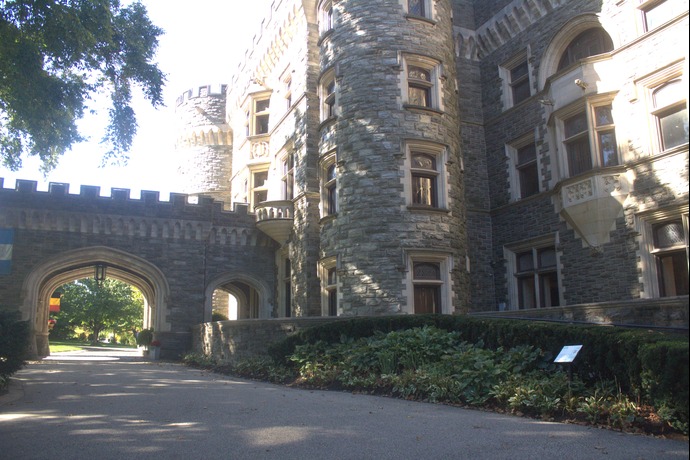
Photo credited to Iteeba Fischer.