By Madi Klein and Brian Paape
GLENSIDE, Pa (Nov. 1, 2026) – For students, part of the new college experience is figuring out how to navigate campus. It becomes a routine part of everyday life. Whether it’s walking from class to class, attending events, or going to get food, it all becomes a part of the college experience. However, for students with a disability, these activities that we view as routine can present obstacles that we normally wouldn’t even think about.
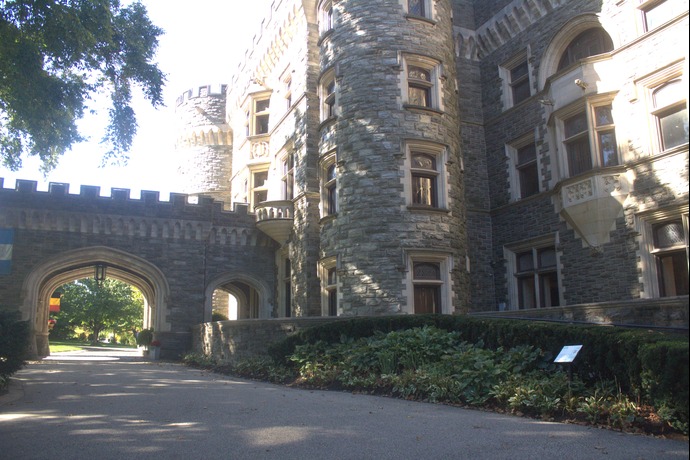
At Arcadia University, students have shared different experiences when it comes to accessibility and the challenges of navigating around campus. For Bandana Sharma, navigating campus brought on many challenges, as she had to do so on crutches. Walking uphill and downhill was specifically difficult.
On top of all this, traveling across campus to reach different buildings and halls was also a challenge. The distance and hills of the campus can make a normal day exhausting. Bandana also described how the lack of accessible showers in the halls made things even more difficult. For example, in Kistler Hall students who need handicap accessible showers sometimes have to go to an entirely different building. Even something as simple and fundamental as taking a shower becomes a challenge.
Accessibility can also extend beyond this. According to María F. Serrano, Arcadia’s events on and around campus are not always disability friendly and can be physically exhausting just to attend.
“There are a lot of events that even if I want to go to, I just can’t,” says Maria. “Because they require a lot of stamina and physical exertion.”
A lot of events around campus involve standing for long periods of time, as well as physical activities that may be daunting and nearly impossible for a person with a disability to carry out. In addition, in the warmer and hotter months, attending outdoor events is difficult for individuals who, like Maria, are sensitive to more extreme temperatures.
“During Welcome Week, a lot of [the events] required you to be out in the sun, and I could not do that. I would pass out if I was in the sun and the heat for a long period of time.”
Despite the challenges previously mentioned, not all the experiences mentioned were negative. María also offered a positive outlook on the university’s accommodations. “[Arcadia University] does a good job accommodating disabled students. They are on top of their game compared to other colleges and universities.”
However, even students who have access to accommodations may encounter difficulties understanding how to use them. María also suggested that the university could provide more instructions on how to navigate the accommodations that are available. “They need to have more instructions or guidance on how to navigate or use your accommodations.”
When reflecting on their own transition to college life, she added “When I first got here, I was kind of confused on how to use my accommodations.” Having accommodations available is only one part of the process. Knowing how to access and use those accommodations and resources is a completely different and equally as important part of adjusting to college.
When asked what improvements could make campus better and more accessible, we were given several different ideas. The ideas we heard included installing additional handrails along hills and stairways, providing accessible seated showers on every floor of halls where students live, and improving access to Student Health Services. Bandana also suggested “Student Health Services should be relocated or have a more accessible entrance because having to walk all the way around the building just to enter is inconvenient.” Students also suggested handrails along the stairs leading down to The Chat to make it easier and safer for students.
“We always make an effort to accommodate students, and we encourage students to let us know if they ever are having any kind of challenge with access on campus,” says Kathryn Duffy, the Disability Service Coordinator at Arcadia University. “We have an advisory council of students that we welcome anybody that’s interested and connected with disability services [to] participate in that.”
Duffy highlighted facilities speediness and cooperativeness in fixing issues both big and small, specifically referencing an issue they solved by Easton Hall regarding a ramp not having tactile pathing. Still, Duffy acknowledged that there is always more work to be done.
These accounts offer a glimpse into the different ways students navigate accessibility at Arcadia University. Whether it’s the steep and many hills we have, accessing buildings around campus, or participating in campus events, their experiences and feedback show us how accessibility can influence nearly every aspect of college life.
Most importantly, these are experiences that students themselves are explaining. Real life experiences that are happening around us that we might not always see. Their perspectives provide us with an opportunity to reflect on our own experiences and what the people around us are going through every day that we may not always recognize.
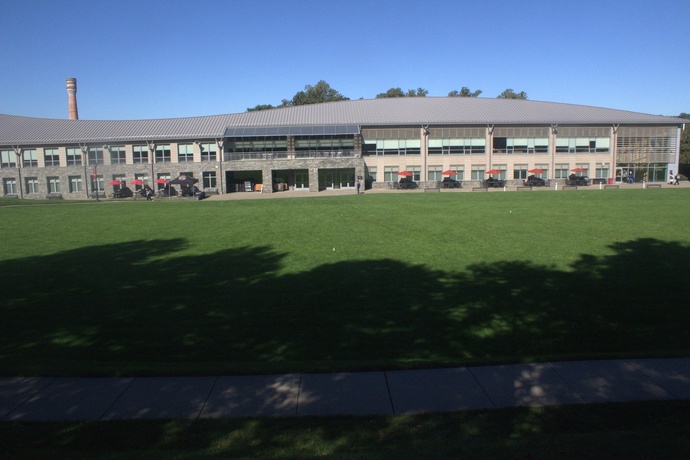
Photo credited to Iteeba Fischer.